
Synenté insights
By Vamsi Tetali

A company can have best in class accounting and budgeting and still be wrong about its business. The books can close cleanly, the forecast can reconcile, and the board materials can look excellent but management can still misunderstand why the company is growing, where it is weakening, or whether its strategy is working. Numbers record a thin slice of what happens inside a company. By the time thousands of interactions within the operation reach the financial statements, much of their texture has disappeared. So the figures may be accurate but the company’s interpretation of them could well be shallow. This is the strange paradox of the CFO’s role - they own the most precise representation of the company’s reality while remaining responsible for everything that representation leaves out.

I have come to think of the CFO’s role as an effort to build a virtual model of the business around those numbers. The CFO connects the financial statements to the operation, the operation to the strategy, and the strategy to the options available to the CEO. That allows them to move from a reported result to an understanding of what produced it, what it says about the company’s direction, and what the company might do next. They keep testing and improving this picture as the business changes. The progression of a typical high-performing CFO’s career is, in some sense, a staircase toward getting ready to build and manage that model.
Trustworthy numbers are just the beginning of the model
Accounting and control provide the foundation because the numbers have to be trustworthy before anything can be made from them. The skills related to this side of finance, in most CFO’s careers, seem to develop through direct exposure to accounting, control, and audit. There is technical accounting knowledge involved, of course, but much of the understanding comes from having been close enough to the work to see how reliable numbers are produced. For whatever reason, that knowledge seems difficult to acquire entirely from a distance. Many CFOs begin on this side of the house, learn the machinery, and grow through it. Somewhere along the way, they usually begin itching to make more from the numbers. Their attention then moves toward the drivers of the result, the assumptions that matter, the likely direction of the business, and the options available to management - FP&A.

There is also a less common route. Someone starts on the finance side, perhaps after being pulled into an analytical project, doing well, and finding that they like the work. As their responsibilities grow, they realize that they need a serious command of accounting and control, so they develop it later. I think of this person like a left-hander. They are certainly out there; there just are not as many of them. Whichever route a person takes, accounting and finance eventually have to weave together in their career for them to get ready to be a CFO who can model the business right. A key foundational requirement for that weave to be effective is operational engagement. The best CFOs want to understand the operation because it makes them better at finance.
The model of the business has to integrate the operation

“Growing up” in a given industry helps because familiar systems and economics give the CFO a head start on operational immersion, but each business has its own texture. The CFO needs an efficient way to absorb it. They may see something in the financial statements, take it into the operation, and test it against what is happening there. They go into a factory, spend time with a business unit leader, or talk through the result with the person responsible for it. What they learn changes their understanding of the number. As they repeat the process, they see what the number really means, where reporting could improve, which metrics are missing, what deserves more regular attention, and which reports have stopped explaining much. The CFO understands the operation through the numbers and the numbers through the operation. Meanwhile, the assumptions inside the strategy meet reality in different parts of the business at different times, giving the CFO a basis for explaining the result of each assumption, in context.
The company’s people know it best
No CFO can personally touch every part of a company. Operators, functional leaders, and members of the finance team all hold knowledge that the CFO cannot gather firsthand. The CFO’s relationships with these people determine how quickly and accurately they can reach “real” knowledge of the company. If the CFO has spoken with an operator many times before, they naturally gain an understanding of what that person knows. The trust established over time allows the next conversation to become more direct and go deeper much sooner. The relationship matters again when the CFO needs to connect an operator’s decision to a consequence elsewhere in the company or push them to change course. An operator who has watched the CFO invest in understanding the work will reasonably assume that they have approached the rest of the business with similar care. So they come into each conversation willing to listen and learn from the CFO. I think of this as pre-influence in that the CFO has earned the right to go deeper and “scold” as necessary.
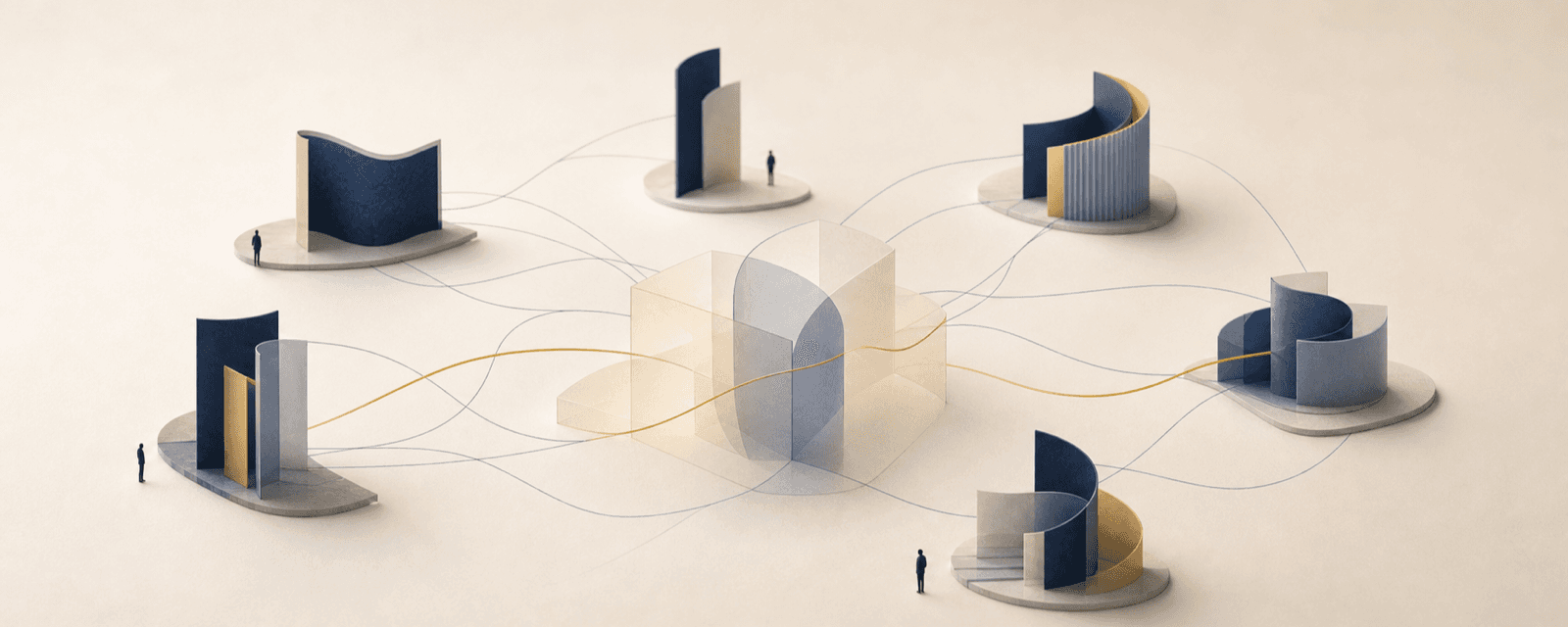
A capable finance team scales the CFO’s understanding of the business. The CFO decides which information requires personal attention, which questions others can investigate, and how that work should be divided into roles, and they then adapt those roles to the strengths of the people in the team. When the CFO motivates and develops people well, the team interprets the business as it produces reports, like the CFO themself would do it. Team members bring information and judgment from parts of the company the CFO cannot follow personally, allowing the CFO to spend more time connecting what is happening across the business and thinking further ahead. The view they bring to the CEO and the board is richer because more people have contributed to building it, thus ensuring that it has both coverage and depth.
The CFO turns business understanding into options
A proper CFO is a strategic enabler of the CEO and one of the company’s main creators of options. They make those options concrete, expose their economics, and test the assumptions underneath them. In a functioning partnership, the CFO creates the options, the CEO chooses among them. But if the CFO begins choosing for the CEO, the partnership becomes confused because unfettered financial discipline can also shrink the field so aggressively that the CFO becomes the chief naysayer. A strong CFO leaves the CEO with the options needed to make a better decision than they would otherwise have - they explain why the options differ, what would have to be true for each one to work, and where reality has begun to depart from the plan. Their agreement, or their pushback, then carries weight because they understand the business and they understand their role. The CEO and board receive a realistic view of the company from someone who understands that the numbers are incomplete and has done the work to fill in as much of the picture as possible.

Capital structure, sources of capital, and M&A require the CFO to think further ahead. A CFO who understands the business deeply can see consequential decisions taking shape before they absolutely have to. They can consider what the business may need further down the line, what it may be capable of supporting, and which options should remain available. Once a financing need or transaction becomes unavoidable, circumstances may already have removed some options, leaving the company less space to investigate, test assumptions, or shape the outcome. An effective CFO creates time by building a strong system underneath them. So they can bring a given issue to the CEO and board earlier, while the assumptions can still be tested and the options can still be developed. Leadership understands what is driving the decision and can act while more than one option remains available.
A PE board cannot fill in for the CFO
PE boards sometimes assume they can cover the strategic part of the CFO role, especially when the company has a dependable Controller in the CFO who stays close to the fundamentals. PE board members tend to be very smart people, and many have the intellectual horsepower to work through the same problems a good CFO would. But strategic CFO work also requires intimate knowledge of the business and sustained immersion in the operation. A board member can study the numbers, call someone to explain them, and make field visits but their attention necessarily remains divided across multiple companies and issues. An effective CFO spends each day with the financial engine and the operation, building history with the numbers and the people behind them. That intimacy helps the CFO know which fact to bring forward and when.

When the strategic work is left undone by the CFO and CEO, the board often responds by asking harder questions or taking on more of the problem-solving directly. Greater involvement can paper over some immediate problems but it cannot reproduce the context accumulated inside the company every day. Irrespective of how difficult the role is to fill, PE firms should not settle for a Controller masquerading as a CFO, and assume the board will cover the rest. The board can set expectations, question the CFO’s view, and test the options presented to it but the company still needs a CFO inside the business to do the work.
Reading focus
A strong CFO turns trustworthy numbers and operational knowledge into options for the CEO. A PE board can test that work, but it cannot do it from outside the business.